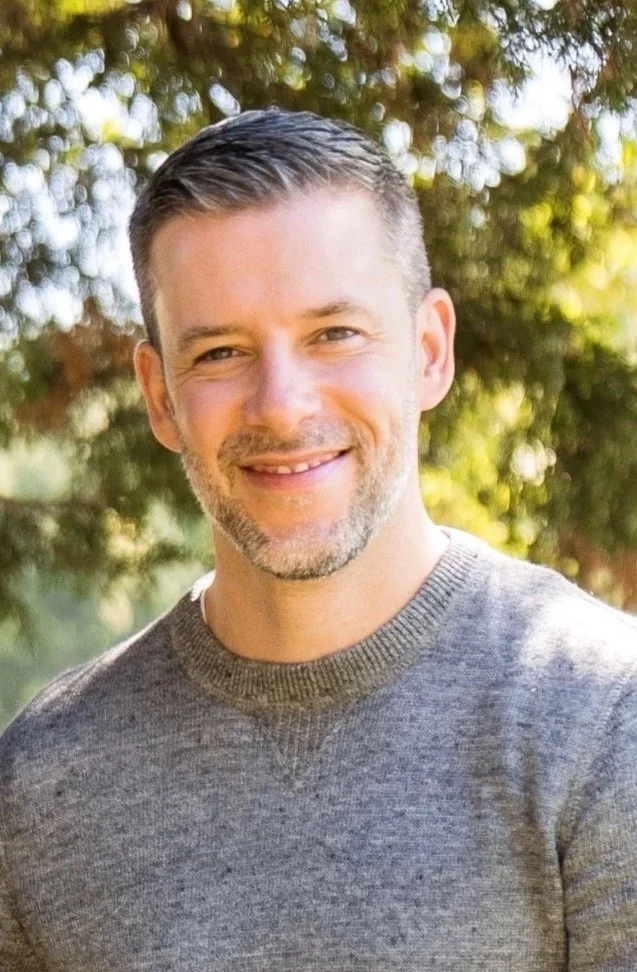
I hold a doctorate in Clinical Psychology (PsyD) and a master's in Counseling Psychology (MA) from Adler University in Chicago. My postdoctoral training in psychoanalytic psychotherapy was completed at the San Francisco Center for Psychoanalysis, one of the country's principal institutes for depth-oriented clinical work.
I was drawn to this approach by questions that other therapeutic models didn't address well: why insight rarely produces change on its own, why people continue repeating patterns they can clearly identify as unhelpful, and how to help those suffering at the deepest, most impactful levels. These questions have allowed me to expand my thinking on what facilitates the change process in therapy and inform my work on a day-to-day basis.
Services
Psychoanalytic Psychotherapy
Psychoanalytic psychotherapy is a talk-based treatment that looks at the emotional conflicts and long-standing patterns behind a person’s difficulties. Many of these patterns formed early in life and operate outside of awareness, which is why they can persist even when you can see them clearly.
In sessions, we talk about what is most present for you, including your relationships, experiences that are hard to put into words, and thoughts and feelings you tend to avoid. We also pay attention to how these patterns show up between us, since that gives us direct information about how they work.
The goals are to reduce symptoms like anxiety and low mood and to change the underlying patterns that keep them in place. Research supports the effectiveness of psychodynamic therapy, including benefits that continue after treatment ends.
This approach tends to fit people who have tried to work on themselves through reading, reflection, or previous therapy and found that insight alone didn’t change things. It also suits people who function well at work and in their relationships but struggle with persistent anxiety, difficulty in close relationships, or a sense of going through the motions.
Couples Therapy
Psychoanalytic couples therapy looks beneath the surface of recurring conflicts to understand the deeper emotional patterns, often rooted in early relationships, that each partner brings into the relationship.
Rather than focusing only on communication techniques or immediate problem-solving, this approach helps couples recognize the unconscious dynamics driving their conflicts, creating space for genuine understanding and lasting change.
My goal is to help partners move from reactive cycles toward a relationship grounded in insight, empathy, and authentic connection.